


If you’re a parent, educator, or even a student who’s sat through years of English class wondering “What exactly are we learning here?”—you’re not alone.
On the surface, the English Language Arts curriculum looks simple. Read books. Write essays. Learn grammar. Take tests. Repeat.
But that’s not really what’s going on.
From Grade 3 through Grade 12, English Language Arts (ELA) quietly shapes how students think, question, express, and interpret the world. It’s not just about English. It’s about logic, empathy, persuasion, and identity.
Let’s pull back the curtain and talk honestly about what’s actually taught—and why it matters far beyond the classroom.
What Is the English Language Arts Curriculum, Really?
The English Language Arts curriculum is a structured framework that builds literacy skills over time—not in isolation, but in layers.
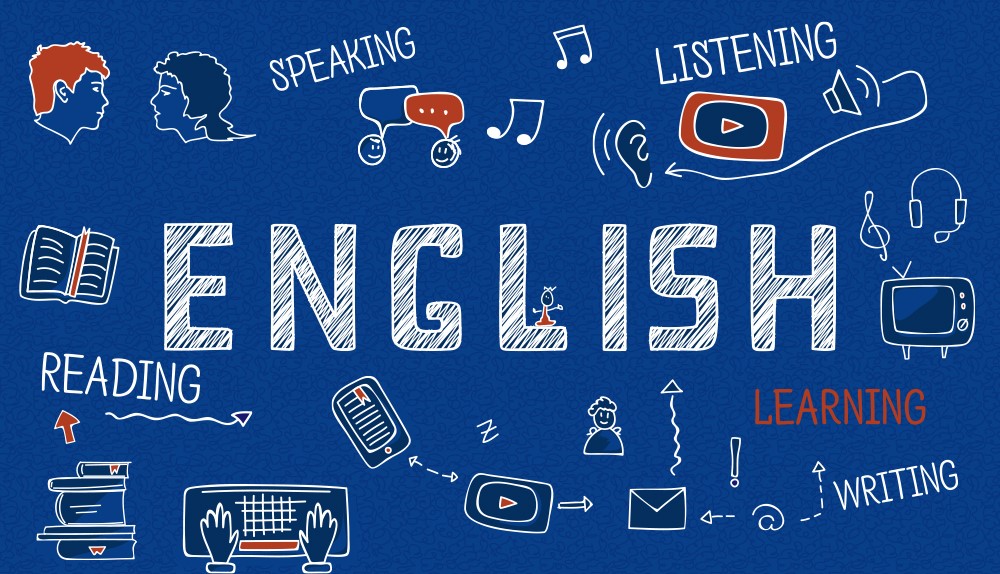
It typically covers five core strands:
- Reading (literature + informational texts)
- Writing
- Speaking & Listening
- Language (grammar, vocabulary, conventions)
- Media & digital literacy (in upper grades)
Most schools align their curriculum to standards like:
- Common Core State Standards (CCSS) – US
(Source: https://www.corestandards.org/ELA-Literacy/) - State or national curriculum frameworks
- International benchmarks (Cambridge, IB, etc.)
But here’s the truth schools don’t always say out loud:
ELA isn’t about answers. It’s about how well students ask questions.
How the English Language Arts Curriculum Progresses from Grades 3–12
ELA doesn’t jump from “simple” to “complex” overnight. It grows slowly, like scaffolding.
Here’s a high-level view:
| Grade Band | Core Focus |
| Grades 3–5 | Reading to learn, basic structure, confidence |
| Grades 6–8 | Analysis, argument, voice |
| Grades 9–10 | Interpretation, critical thinking, evidence |
| Grades 11–12 | Synthesis, nuance, academic & real-world writing |
Each stage builds toward independence. And yes—by Grade 12, the goal isn’t just college readiness. It’s life readiness.
Reading Instruction: More Than Just “Finish the Book”
What Students Actually Learn When They Read
Reading in the English Language Arts curriculum is strategic. Every text is chosen for a reason.
Students aren’t just asked what happened. They’re asked:
- Why did the author write it this way?
- What’s implied but not stated?
- Whose voice is missing?
- How does context change meaning?
Types of Texts Students Encounter
Across Grades 3–12, students read:
- Fiction (short stories, novels, drama, poetry)
- Nonfiction (essays, biographies, articles)
- Informational texts (science, history-adjacent reading)
- Media texts (speeches, ads, editorials)
By middle school, students begin comparing texts.
By high school, they’re expected to challenge them.
That’s where reading becomes thinking.
For parents looking to strengthen this skill outside school, platforms like RefreshKid’s reading programs help bridge the gap between decoding words and understanding meaning
(https://www.refreshkid.com/).
Writing Skills in the English Language Arts Curriculum
Writing is where students either find their voice—or freeze completely.
A good English Language Arts curriculum doesn’t just assign essays. It teaches how writing works.
Core Writing Types Taught (Grades 3–12)
| Writing Type | Purpose |
| Narrative | Tell stories, build voice |
| Informative | Explain ideas clearly |
| Argumentative | Persuade using evidence |
| Analytical | Break down complex texts |
| Research-based | Synthesize multiple sources |
Early grades focus on structure. Middle grades work on clarity. High school demands precision and original thought.
And yes—grammar matters. But grammar is taught as a tool, not a punishment.
Grammar & Language: Not Worksheets, But Tools
Let’s address the elephant in the room.
Most students hate grammar because it’s taught out of context.
A strong English Language Arts curriculum integrates grammar into writing:
- Sentence variety
- Tone control
- Punctuation for effect
- Word choice and nuance
Instead of “circle the noun,” students learn:
“This sentence feels flat. How can grammar fix that?”
That shift changes everything.
Vocabulary Development Across Grades
Vocabulary isn’t about memorizing word lists anymore. It’s about word consciousness.
Students learn:
- Root words (Greek/Latin)
- Context clues
- Academic vs conversational language
- Tone shifts based on audience
By high school, students are expected to choose words intentionally.
That’s a life skill. Not a test trick.
Speaking & Listening: The Most Underrated Skill
Here’s something few parents realize:
Speaking and listening are formally assessed in the English Language Arts curriculum.
Students practice:
- Classroom discussions
- Presentations
- Debates
- Peer feedback
- Active listening
This strand becomes especially important in Grades 6–12, when students are expected to:
- Defend opinions respectfully
- Build on others’ ideas
- Speak clearly to different audiences
Programs that support confidence-building and structured communication—like those offered by RefreshKid—often make a noticeable difference here
(https://www.refreshkid.com/).
Literary Analysis in Middle & High School
This is where ELA gets serious.
Students move from what happened to why it matters.
They analyze:
- Theme
- Character motivation
- Symbolism
- Author’s craft
- Historical and cultural context
Texts often include Shakespeare, modern novels, essays, and speeches.
For reference, many high schools use reading frameworks aligned with sources like the National Council of Teachers of English (NCTE)
https://ncte.org/
Informational Texts & Nonfiction Reading
ELA isn’t all novels and poetry.
Students increasingly read:
- News articles
- Opinion pieces
- Scientific explanations
- Legal or historical documents
Why?
Because the real world runs on nonfiction.
This part of the English Language Arts curriculum prepares students to:
- Spot bias
- Evaluate sources
- Separate fact from opinion
- Read critically online
That’s media literacy. And in 2026, it’s non-negotiable.
Media Literacy & Digital Texts (Upper Grades)
By high school, students analyze:
- Advertisements
- Social media messaging
- Visual rhetoric
- Digital storytelling
They ask questions like:
- Who created this?
- What’s the agenda?
- Who benefits?
External resources such as Common Sense Education provide frameworks schools often draw from
https://www.commonsense.org/education/
How Assessment Works in the English Language Arts Curriculum
Assessment isn’t just tests anymore.
Students are evaluated through:
- Essays and written responses
- Reading comprehension tasks
- Projects and presentations
- Class discussions
- Research assignments
Good ELA programs prioritize growth over perfection.
That’s why many parents turn to supplemental academic support like RefreshKid, especially when students struggle with writing or comprehension
https://www.refreshkid.com/
Common Gaps Parents Should Watch For
Even strong curricula can miss things.
Watch out for:
- Weak writing feedback
- Too much test prep, not enough thinking
- Limited diverse voices in reading lists
- Rushed grammar instruction
- Little room for student choice
If your child says, “I don’t know what my teacher wants,” that’s a signal worth paying attention to.
FAQs: English Language Arts Curriculum (Grades 3–12)
What is included in the English Language Arts curriculum?
The English Language Arts curriculum includes reading, writing, speaking, listening, grammar, vocabulary, and media literacy taught progressively from Grades 3–12.
How does ELA change from elementary to high school?
Elementary focuses on foundational skills. Middle school emphasizes analysis and structure. High school demands critical thinking, evidence-based writing, and synthesis.
Why is nonfiction reading important in ELA?
Nonfiction teaches students to evaluate real-world information, spot bias, and read critically—skills essential for college, careers, and daily life.
Is grammar still important in modern ELA?
Yes, but it’s taught as a writing tool rather than isolated drills. Grammar supports clarity, tone, and persuasion.
How can parents support ELA learning at home?
Encourage reading, discuss ideas openly, and provide structured support through academic programs like those at RefreshKid
https://www.refreshkid.com/
Final Thoughts: Why ELA Quietly Shapes Everything
Here’s the honest take.
Math teaches problem-solving. Science teaches inquiry.
But the English Language Arts curriculum teaches students how to exist in the world.
How to listen.
How to disagree without being disrespectful.
How to explain ideas clearly.
How to read between the lines—literally and metaphorically.
And those skills? They show up everywhere. College. Careers. Relationships. Life.
If you’re serious about helping a child grow into a confident thinker and communicator, don’t treat ELA like “just another subject.”
Lean into it. Support it. Ask questions.
And if you need structured help, explore resources like RefreshKid’s English and literacy programs to strengthen skills where schools sometimes fall short.

